
I. Introduction
Can you iron patches on Polyester, Polyester is one of the most common fabrics used globally for its durability and easy-to-care-for fabric. In present-day clothing and activewear, polyester is heavily used and can be found in many of the clothing people wear. In the context of the current realization of individualism in fashion, patches have become a perfect trend to make clothes more unique. Within this blog post, we will be going through whether or not it is possible to iron on patches to polyester and if it is possible then how to do this in the best possible way. Can you iron patches on Polyester?
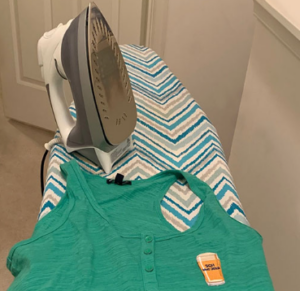
II. Understanding Polyester
Polyester is a synthetic fabric that is made from polyester fiber. It is appreciated for its ability to dry rapidly, and for its ability to withstand shrinking and stretching of the fabric. These characteristics make polyester favorable for use in the manufacture of clothes that are subjected to wear and tear. The advantages of using polyester are countless, it is a light fabric, it does not crease easily, and can be easily ironed while still looking proper and smart. Moreover, it is widely used since it is relatively cheaper than other natural fibers since it is relatively cheaper to produce.
Though polyester has its benefits, it is not without problems particularly when exposed to heat. The heat can also melt the fabric or distort the general shape of the fabric and therefore the safety of ironing patches directly onto polyester is questionable.
III. Types of Patches
A common variation is the material: it can be a plain fabric, or leather or is made with embroidery. Both types and subtypes have different appearances and wear resistance; in addition, they provide the Internet user with the material that should be placed on the patch. They should also not take long to stick on the fabric since they on be attached by use of heat. Sew-on patches on the other hand have to be sown into the material, it may often take more time but will have a good grip on polyester fabrics.
If selecting a patch, one should note the compatibility existing between the civilian material and polyester. Check for badges that have either iron-on or heat seal on them since these will stick appropriately on polyester without the need to harm the fabric.
IV. Can you iron patches on Polyester
Can you iron patches on Polyester, you’ll need a few essential tools: An iron is needed for the patches, and a pressing cloth, scissors, the patches, and an iron. This means that having these items on hand will go a long way towards making the task easier and the outcomes more satisfactory. It is essential, for instance, to wash the polyester fabric in advance before applying a patch. This step is performed to discharge any contaminants that may hinder adhesion thereby ensuring that there will be no shrinkage in the future.
One also should check the patch on a discreet area of the fabric before applying it on the actual part. This precaution lets you estimate how the polyester is going to behave when exposed to heat and then, wouldn’t harm the primary visible part.
V. Step-by-Step Guide to Ironing Patches on Polyester
To start with select the heat level and for polyester-based fabric, it would be a medium heat setting. It is also important not to use the highest heat as this may cause a lot of damage to the fabric. Next, it will be necessary to align the patch well on the polyester garment, making it horizontal and vertical. Lay a heat-pressed cloth over the patch area to avoid direct heat on both the patch and the fabric.
Press for heat for anything between 10 to 15 seconds depending on the pressure used to ensure equal coverage. Do not slide back and forth across the iron as this repositioning of the patch can keep it from adhering correctly. Make sure after pressing do not immediately remove the pressing cloth since it may stick to the material after pressing, allow it to cool. This cooling-down process is very important since it enables the adhesive to adhere to the polyester fabric more better.
VI. Potential Risks and Precautions
Using patches means that, though it is possible to iron patches on polyester without a hitch, there is always the possibility of some mishap. Some of the things to avoid putting in the sun include polyester as high temperatures can burn or melt them. The best way to prevent this occurrence is to employ the pressing cloth as it prevents the iron from actually coming in direct contact with the fabric. And if you do not want to use heat, you should consider some other methods of attaching patches that could be safer for polyester.
VII. Alternative Methods for Attaching Patches
If you still do not trust yourself ironing patches, there are other ways to do that. Sewing patches can fix polyester securely and they can even survive washing better than iron-on patches. Fabric glue or adhesive sprays are also another option because they allow the application of patches to be achieved in record time. However, these fibers can be joined by the above-mentioned methods and may not offer the same strength as that of sewing.
Sewing seems to take a longer period to do but offers a stronger grip compared to the other method. The fabric glue in most cases dries faster than the traditional stitches, but this may not last longer. There is a range of occasions when you have to use one or another method: think about your circumstances and select the option that is suitable for your task.
VIII. Caring for Ironed Patches on Polyester
After you effectively kick in your patch using an iron-on, proper handling is crucial to preserve the patch. Avoid direct contact of patches with other garments and wash them inside out especially polyester garments as the patches might wear out easily when rubbed against by other garments. Gentle cycle and no very hot cycle on the dryer; it is best to air dry when you can.
Always check the patches to see if they are peeled or lifted off the skin’s surface. Maybe you can see some of the edges are coming up and the best thing to do is to apply heat again to have them stick better. Perfuming your garments, washing them correctly and dry cleaning where necessary will also go a long way in increasing the life span of your patches as well as the beauty of the garment.
IX. Real-Life Examples and Testimonials
Many crafters and DIY enthusiasts have shared success stories of ironing patches on polyester, showcasing unique and personalized designs. However, some individuals have encountered common issues, such as patches not adhering properly or fabric damage. Expert opinions suggest that careful preparation and following best practices significantly improve the likelihood of success.
X. Conclusion
A good number of crafters and do-it-yourself enthusiasts have testified on how they Can you iron patches on Polyester, with different prints. Nevertheless, some people have faced typical problems, including glue failure or the material getting harmed. The analyzer of collected expert opinions states that bringing much effort and effort to the event and adhering to the best practices enhance the prospects of success.