Description
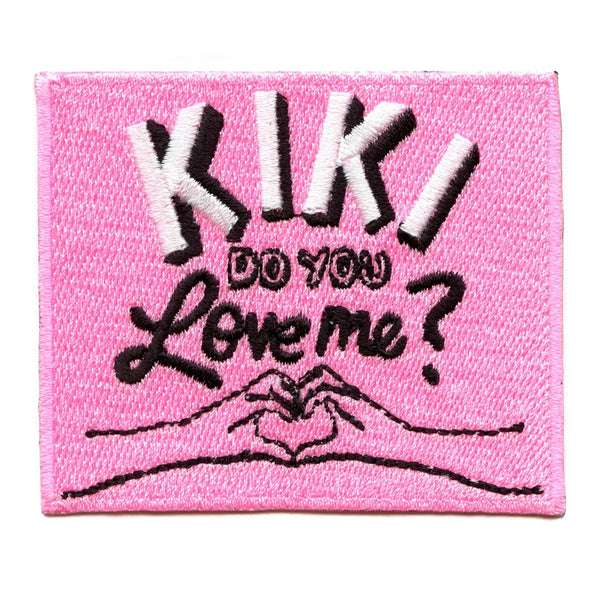
Pink KiKi Do You Love Me Song Iron On Patch
A Patch of Pink Rebellion: The Allure of the “KiKi Do You Love Me song” Iron-On-patch
Few pop culture moments have resonated with audiences quite like Pink’s breakout single, “Get the Party Started.” But nestled within her debut album, “Can’t Take Me Home,” lies another gem that continues to spark nostalgia and ignite a rebellious spirit: “KiKi Do You Love Me song” This track, with its catchy melody and unapologetic lyrics, has transcended generations, becoming an anthem for individuality and self-expression. we also have Kappa Alpha PSI Sign NUPE Logo Iron On Patch
And for those who want to wear their love for the song on their sleeve (or jacket, backpack, hat – the possibilities are endless!), the “KiKi Do You Love Me?” iron-on patch has emerged as a coveted fashion statement. This seemingly small piece of fabric holds a surprising amount of cultural significance, serving as a badge of honor for those who connect with Pink’s message.
Beyond the Iron: A Dive into the Song’s Legacy 
Released in 2000, “KiKi Do You Love Me?” captured the angst and confusion of young adulthood. The song chronicles a complicated relationship, questioning a partner’s commitment with a raw vulnerability that resonated with a generation grappling with self-discovery and navigating the complexities of love.
Pink’s signature raspy vocals deliver the lyrics with a blend of defiance and uncertainty, perfectly capturing the emotional rollercoaster of a young heart. Lines like “Who’s your baby?” and the iconic “KiKi Do You Love Me?” became instant catchphrases, echoing the insecurities and yearning for validation that many young people experience.
But the song goes beyond a simple love ballad. It’s a declaration of self-worth. Pink refuses to be defined by her partner’s affections. The title “KiKi” itself, a playful nickname, hints at an assumed alternative persona, someone more submissive and easily swayed. But the song’s protagonist rejects this label. She’s not afraid to ask the question, to demand clarity and respect.
A Patch of Rebellion: Embracing Individuality
The iron-on patch, featuring the song’s title or perhaps a playful illustration referencing the lyrics, serves as a visual representation of this message. By adorning their clothing with this symbol, fans proudly proclaim their connection to Pink’s rebellious spirit.
The patch transcends age. Even for those who didn’t experience the song’s initial release, the “KiKi Do You Love Me?” message remains relevant. It’s a reminder to prioritize self-worth, to question societal pressures, and to embrace your unique identity. The patch becomes a silent statement, a badge of honor for those who don’t conform to expectations and refuse to be defined by others.
Beyond the Music: Fashion Takes a Stand
The “KiKi Do You Love Me?” patch isn’t just about music fandom. It’s a testament to the enduring power of fashion as a form of self-expression. Iron-on patches have a long history in DIY fashion, allowing individuals to personalize their clothing and showcase their interests and passions.
This particular patch taps into a deeper cultural trend – the rise of nostalgia fashion. By embracing a symbol from the past, wearers connect with a specific era and the emotions it evokes. The patch becomes a conversation starter, a way to bond with others who share similar memories or simply appreciate the rebellious spirit of the song.
The Future of the Patch: A Timeless Symbol
While trends may come and go, the “KiKi Do You Love Me?” patch seems destined to remain a relevant symbol. The song’s message of self-worth and individuality resonates across generations, ensuring a continued connection with fans. As Pink’s career continues to evolve, the patch may even take on a new meaning, becoming a testament to her artistic journey and her enduring influence on pop culture.
Beyond the Fabric: A Legacy of Empowerment
Ultimately, the “KiKi Do You Love Me?” iron-on patch is more than just a piece of fabric. It’s a symbol of empowerment, a reminder to question, to challenge the status quo, and to stay true to yourself. It’s a badge of honor for those who embrace individuality and refuse to be defined by societal expectations. And as long as these themes remain relevant, this small patch will continue to hold a powerful significance for fans of Pink and anyone who dares to ask, “KiKi, do you love me?”